The North Carolina concealed handgun permit, step by step
North Carolina no longer requires a permit to buy a handgun, but it still requires one to carry a handgun concealed. The permit comes from the sheriff of the county where you live, which for our home county means the Wake County Sheriff's Office. This guide covers who qualifies, what the course involves, what it costs and what the permit does and does not allow. It reflects the law as of September 2026 and is not legal advice.
Do you need one
Open carry of a handgun you may lawfully own is legal in North Carolina without a permit. Concealed carry is not. If the gun is hidden under a shirt, in a bag or in a pocket holster, you need the permit. Because permitless carry has been debated since 2025 without becoming law, many people assume the rule has changed. It has not. Senate Bill 50 passed both chambers, was vetoed on June 20, 2025, and was overridden by the Senate on July 29, 2025; the House override vote has still not been taken. The state gun law guide tracks where that stands.
The permit is worth having for a second reason: at most dealers it can stand in for the federal NICS check when you pick up a firearm, which shortens the wait at the counter.
Who qualifies
Under G.S. 14-415.12 the sheriff shall issue the permit if you:
- Are 21 or older.
- Are a United States citizen or a lawful permanent resident, and have lived in the county at least 30 days before applying.
- Have completed an approved firearms safety and training course that includes actually firing a handgun and instruction in the laws of this state.
- Are not disqualified by state or federal law.
The main disqualifiers are a felony conviction or pending felony indictment, being a fugitive, unlawful use of a controlled substance, a discharge from the armed forces under other than honourable conditions, an adjudication of mental illness or lack of capacity, a domestic violence conviction or protective order, and a conviction within the last three years for a violent misdemeanour or for impaired driving. Being free on bond for a disqualifying offence also blocks issuance.
The training course
The course must involve live fire and must teach North Carolina law, not just marksmanship. Courses certified by the North Carolina Criminal Justice Education and Training Standards Commission, the National Rifle Association or the United States Concealed Carry Association qualify, as do courses taught by law enforcement agencies, colleges and firearms schools whose instructors hold those certifications.
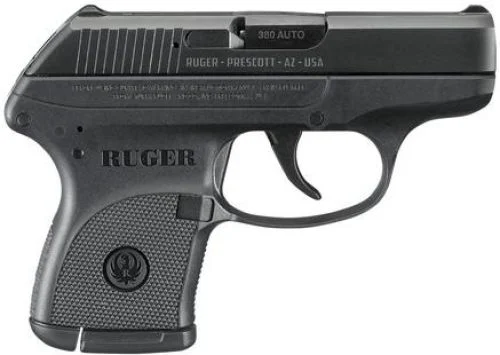
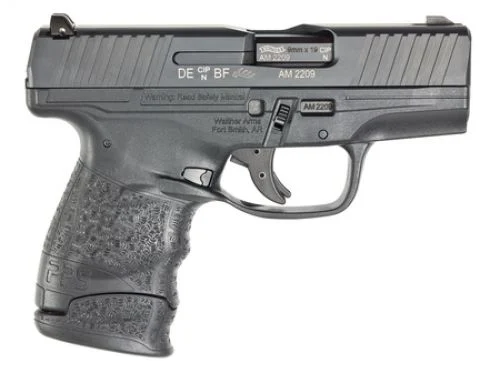
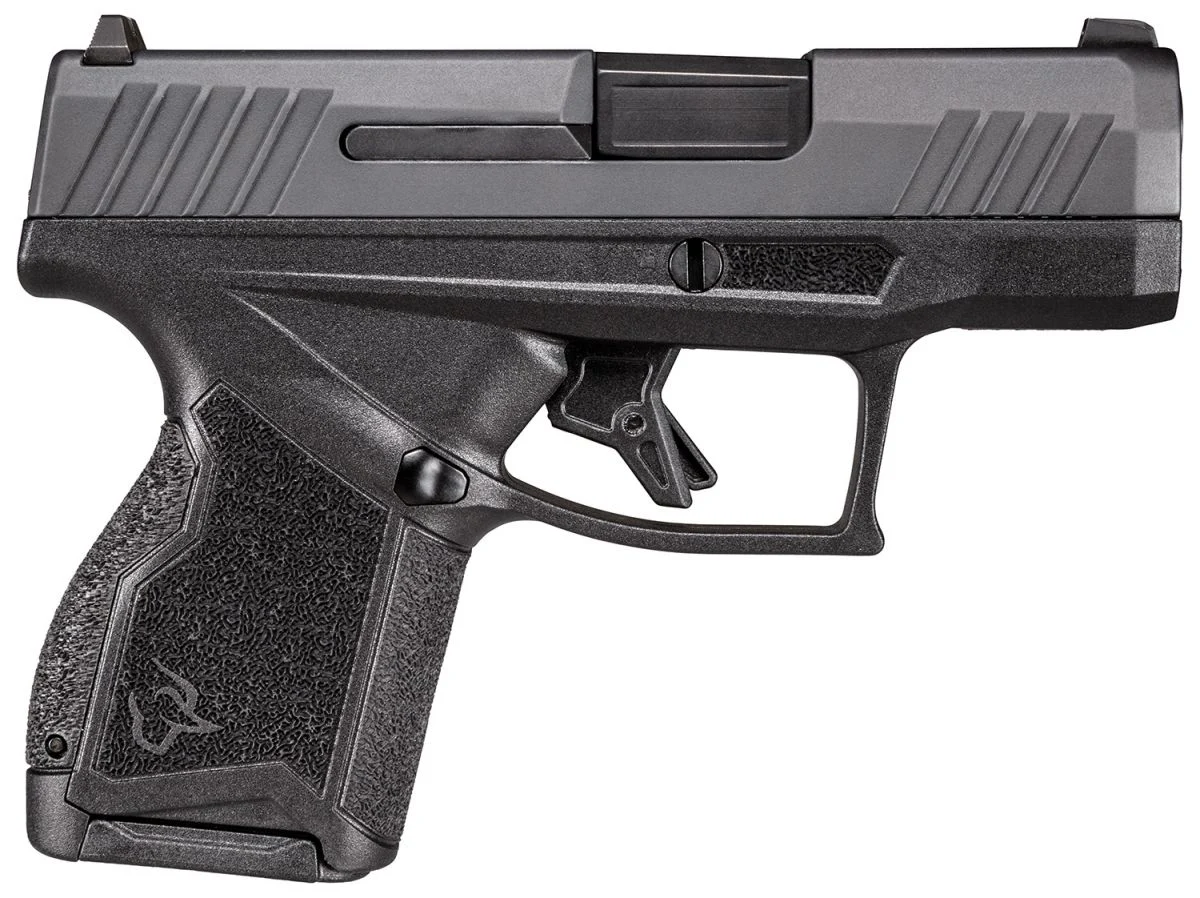
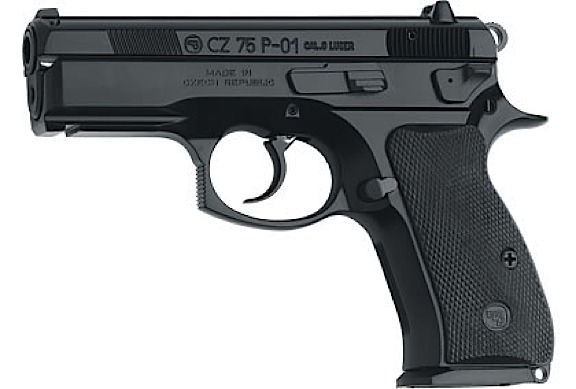
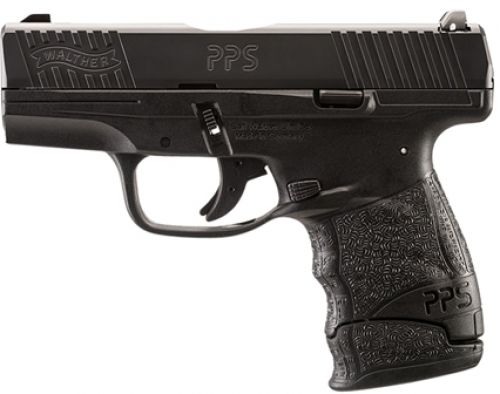
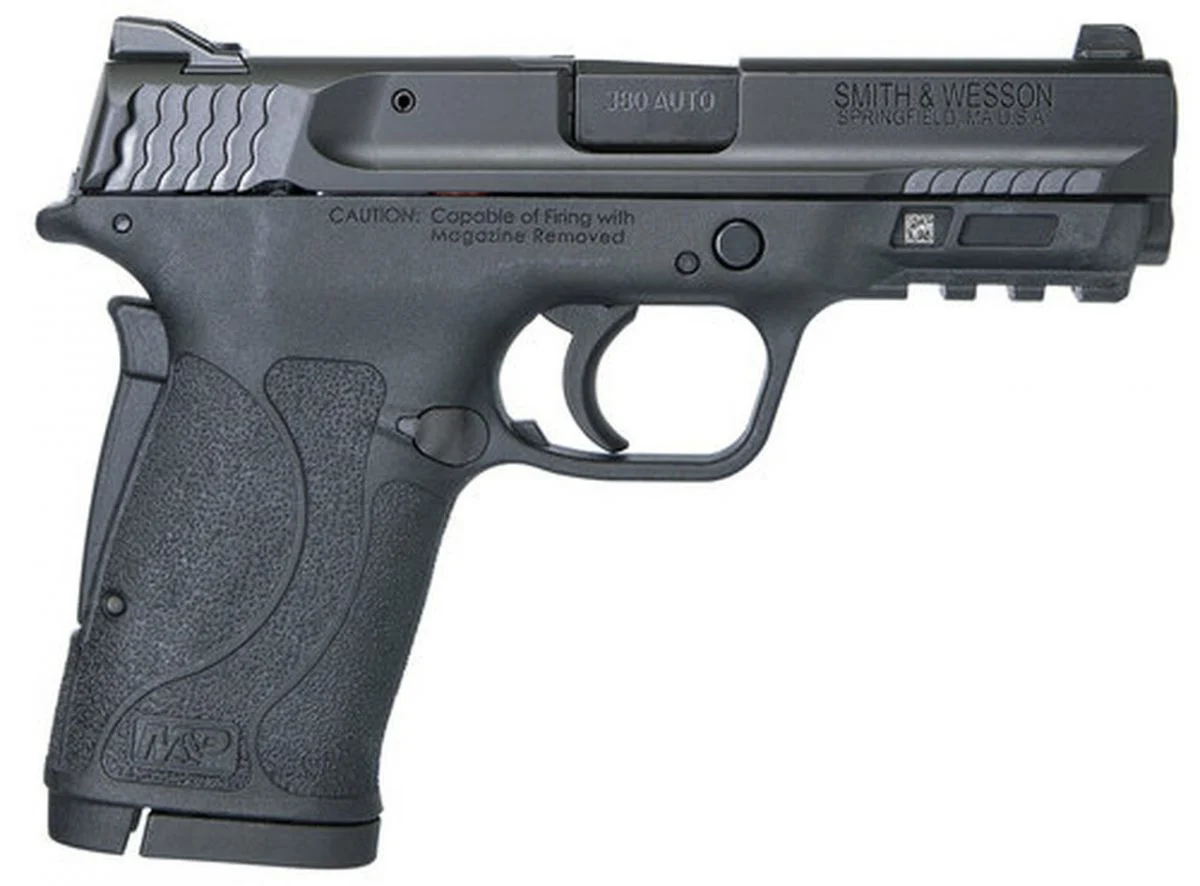
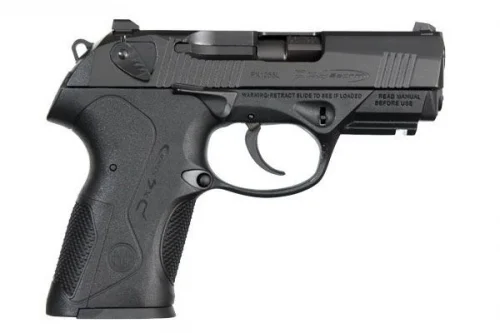
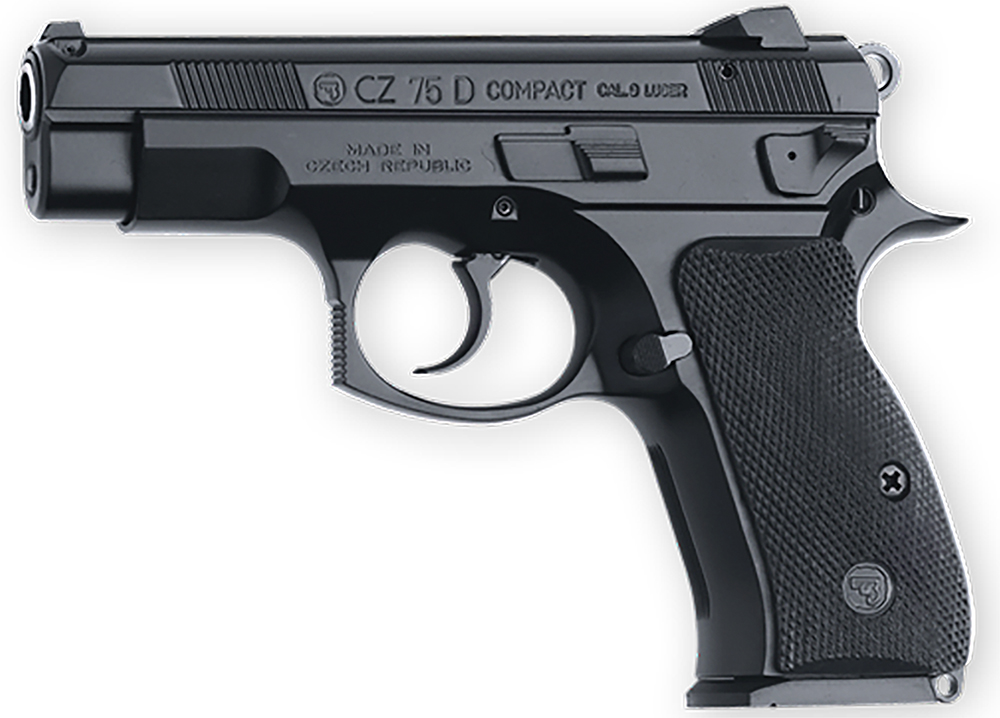
Most classes run eight hours in a single day, with classroom work in the morning and a qualification on the range in the afternoon. Bring a handgun you can shoot well and around fifty rounds; many instructors will lend a gun if you do not own one yet. If you are buying a first pistol for the class, a 9 mm service or compact pistol with a decent trigger and adjustable sights is easier to qualify with than a small pocket gun. Our catalog lists what is in stock.
Applying to the sheriff
G.S. 14-415.13 sets out the packet. You apply in person to the sheriff of your county with:
- The sheriff's application form, signed under oath.
- The non-refundable fee.
- Full fingerprints taken by the sheriff's office.
- The course certificate, signed by the certified instructor.
- A mental health release on the form prescribed by the Administrative Office of the Courts, which lets the sheriff check court records of commitment or incapacity.
Most sheriffs now take applications by appointment booked online, and the busier urban offices book out weeks ahead, so make the appointment before or during your course rather than after. Bring photo identification showing your county address.
Fees and the timeline
The fees are set by statute in G.S. 14-415.19: $80 for a new permit, $75 to renew and $15 for a duplicate, plus a fingerprint fee of up to $10 kept by the sheriff. Retired law enforcement officers and honourably discharged veterans pay reduced fees of $45 and $40. Training is separate and is set by the instructor.
Under G.S. 14-415.15 the sheriff has 45 days from receiving a complete application, and the mental health records, to issue or deny. Delays usually come from records requests rather than from the sheriff's office. A denial must be in writing with the reason, and you may appeal to the district court in your county within 21 days.
What the permit does
It is valid for five years and across the whole state. Renew it before it expires; the statute allows renewal applications in the last 90 days, and letting it lapse means starting over with a new application. You must carry the permit and photo identification whenever you carry concealed, and you must disclose that you are carrying if an officer stops you and asks.
Reciprocity
North Carolina recognises a valid concealed handgun permit or licence issued by any other state under G.S. 14-415.24, and directs the Department of Justice to negotiate agreements the other way. Which states honour a North Carolina permit changes as those states amend their own laws, and several now issue no permits at all, which complicates the picture. Check the current Department of Justice reciprocity list shortly before you travel rather than relying on an older summary.
Where the permit does not help
The permit does not open schools, courthouses, jails, law enforcement buildings, buildings housing only state or federal offices, bars and other places selling alcohol for consumption on the premises, ticketed events, or private property posted against concealed carry. A permit holder may keep a handgun locked in a closed compartment inside a locked car on school property. Since 2023 a permit holder may also carry at a place of religious worship that shares property with a school, outside school hours or during services, unless the premises are posted. Cities and counties may bar firearms from their own buildings and from public parks, with vehicle storage protected.
Then what
Once the permit is in hand, the practical questions are a holster that covers the trigger, a belt stiff enough to carry the weight, and enough range time to stay sharp. The Raleigh buying guide lists the nearest public range, and the city directory has notes for the rest of the state.
General information, not legal advice. Current as of September 2026. Laws change; check the official source before you act.