

Uncategorized
What Are Firearms?
Mar
What Are Firearms?
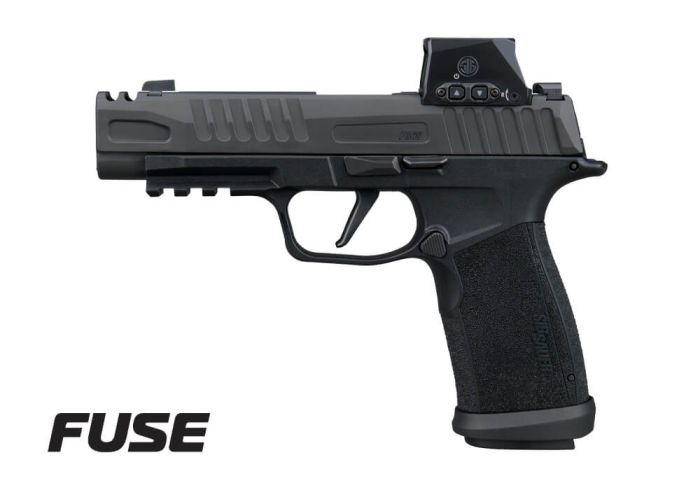
When you pick up a modern striker-fired pistol like a SIG Sauer P365, you’re holding over 700 years of mechanical evolution. The fundamental principle—using expanding gas to propel a projectile—hasn’t changed since the first hand cannons, but the engineering, materials, and precision have reached a level our ancestors couldn’t imagine. A firearm is a tool, a machine, and a piece of history, all defined by its controlled explosion.
The Core Mechanism: How a Firearm Works
Every firearm, from a single-shot .22 rifle to a belt-fed machine gun, operates on the same basic sequence. Pulling the trigger releases a hammer or striker, which impacts the primer on a cartridge. This small explosion ignites the propellant (gunpowder) inside the cartridge case. The burning powder creates rapidly expanding high-pressure gas, which forces the bullet down the barrel’s bore. The rifling—spiral grooves cut into the barrel—imparts a stabilizing spin on the projectile for accuracy. The empty brass case is then extracted and ejected, making the chamber ready for the next round. This cycle of feeding, chambering, firing, and ejecting is what separates a firearm from a muzzleloader. Modern designs like the Springfield Armory XD Mod.4 refine this process with ergonomics and reliability that shooters at Prkarms have come to expect.
Primary Classifications: Handguns, Rifles, and Shotguns
Firearms are broadly categorized by design and intended use. Handguns, like revolvers and semi-automatic pistols, are designed to be fired with one or two hands. A revolver, such as the Smith & Wesson Model 940, uses a rotating cylinder to hold cartridges. A semi-automatic pistol uses a removable magazine and cycles a new round with each trigger pull. Rifles are characterized by a rifled barrel and a stock designed to be fired from the shoulder, offering greater accuracy at distance. Shotguns typically have a smooth bore (though some are rifled for slugs) and fire shells containing multiple pellets or a single projectile. Understanding these categories is the first step in selecting the right tool, whether you’re browsing our handguns collection or our rifles collection.
Understanding Caliber and Cartridge
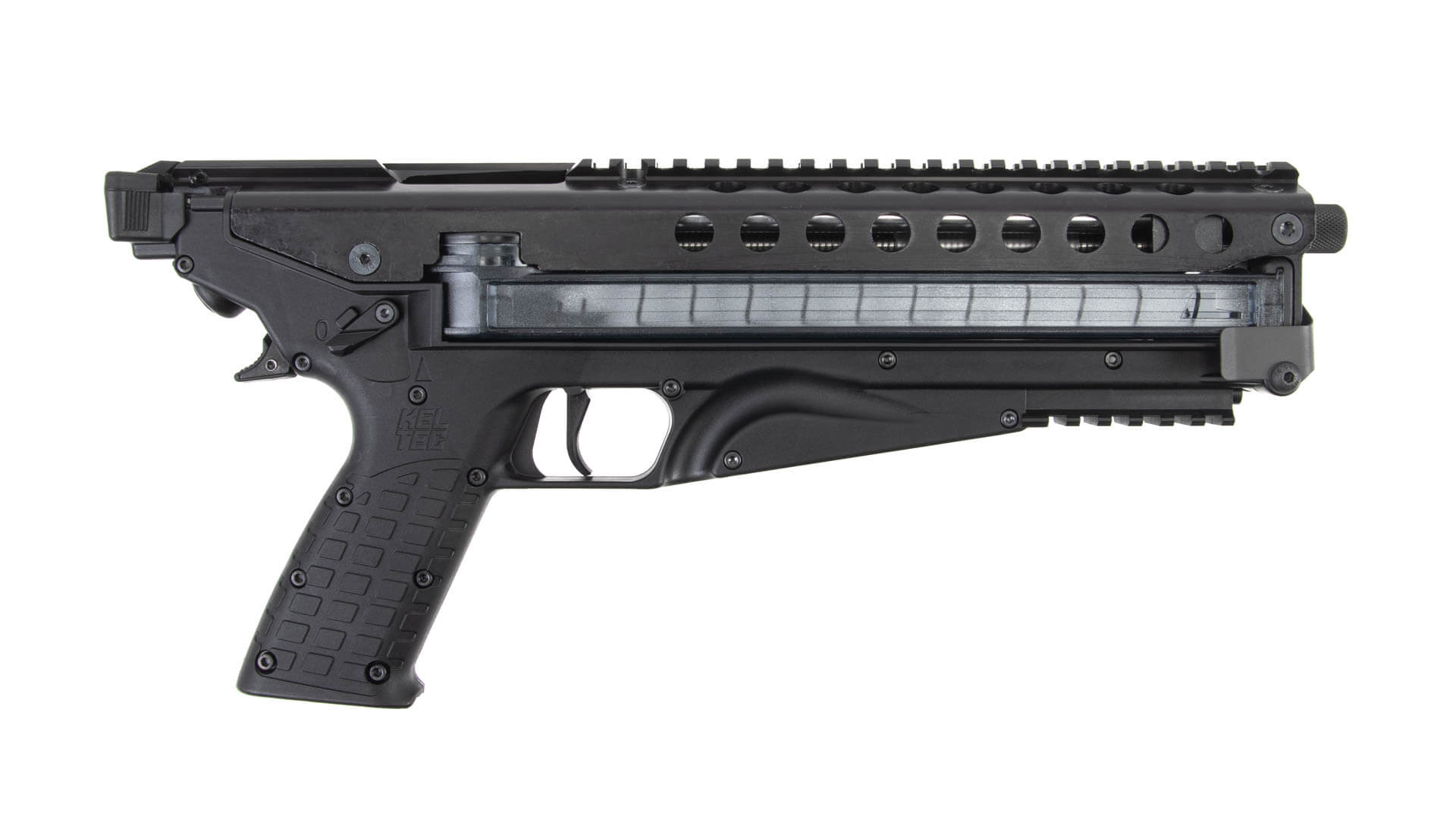
The terms “caliber” and “cartridge” are often confused. Caliber refers to the approximate internal diameter of a firearm’s barrel, and by extension, the diameter of the bullet. It’s usually expressed in hundredths or thousandths of an inch (e.g., .45 caliber) or in millimeters (9mm). A cartridge is the complete, assembled unit: the case, primer, propellant, and projectile. For example, “9mm” is the caliber, but “9mm Luger” or “9x19mm Parabellum” specifies the exact cartridge dimensions. Choosing the right cartridge is critical. The 5.7x28mm round used in the KelTec KP50 offers very low recoil and high capacity, while a .308 Winchester cartridge is built for long-range power. At Prkarms, we list the specific caliber and often the exact cartridge a firearm is chambered for, so you know exactly what you’re getting.
Action Types: From Lever to Semi-Auto
The “action” is the mechanism that handles the cartridge cycling process. Common types include bolt-action (manually operated via a lifting and pulling bolt handle), lever-action (operated by a lever near the trigger guard), pump-action (a sliding forend ejects and chambers rounds, common on shotguns), and semi-automatic. A semi-automatic firearm uses the energy from the fired round—either gas or recoil—to automatically cycle the action, eject the spent case, and chamber a new round. One trigger pull equals one shot. This is the standard for most modern handguns like the SIG P365 and rifles like the Smith & Wesson M&P 15-22. The action type directly influences rate of fire, reliability, and manual of arms, which is why we categorize our brands collection to help you compare designs.
Modern Materials and Manufacturing
Today’s firearms are a blend of advanced metallurgy and polymer science. Frames are now commonly made from high-strength, glass-filled polymer, reducing weight and resisting corrosion. Slides and barrels are precision-machined from stainless or carbon steel, often with advanced coatings like Nitride or PVD for durability. CNC (Computer Numerical Control) machining ensures that every part, from the sear to the barrel lockup, meets exacting tolerances for consistent performance. This manufacturing precision allows for features like optics-ready slides, modular grip frames, and improved ergonomics straight from the factory. When you handle a modern firearm from our full catalog, you’re experiencing the result of decades of material science and engineering innovation aimed at creating a reliable, accurate, and safe mechanical device.
Frequently Asked Questions
What is a firearms identification card?
A Firearms Identification Card (FID or FID card) is a permit issued by some state or local governments, primarily in certain jurisdictions like Massachusetts and New Jersey. It is generally required to purchase, possess, or transport firearms and/or ammunition. It is distinct from a permit to carry a concealed weapon and is often a prerequisite for further licensing.
What is firearms?
A firearm is a mechanical device designed to propel one or more projectiles through a barrel using the expanding gases produced by the rapid combustion of a propellant. The term encompasses a wide range of tools including handguns, rifles, and shotguns, which are categorized by their action type, caliber, and intended use.
What is firearms direct club?
Firearms Direct Club is a subscription-based service offered by some online retailers that provides members with exclusive access to special pricing, early product releases, and other benefits on firearms, ammunition, and accessories. It functions as a buyer’s club for shooting sports enthusiasts, though specific benefits vary by retailer.
Browse our firearms collection
Last updated: March 27, 2026
